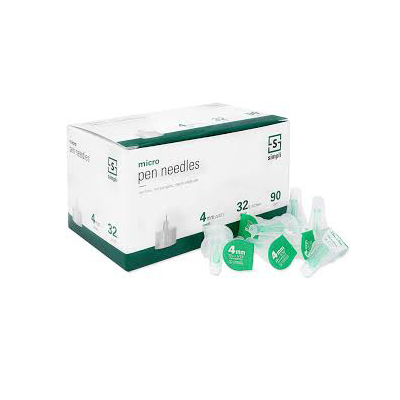
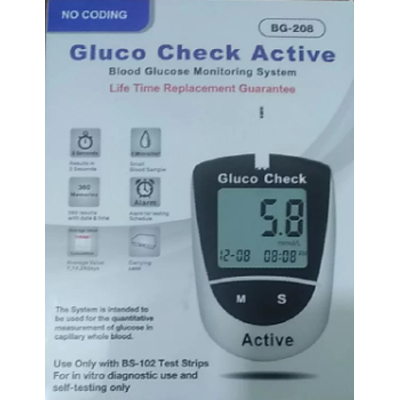
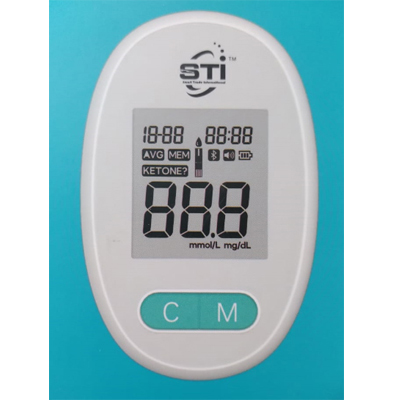
A glucose check meter, also known as a glucometer, is a portable device that allows individuals to measure their blood glucose levels, which is a crucial part of managing conditions like diabetes. These meters use a small blood sample from a finger prick, typically applied to a disposable test strip, to determine the glucose concentration. The meter then displays the blood glucose level on a screen, allowing users to track their blood sugar levels and make informed decisions about their diabetes management.
Key Features and Benefits:
Portability and Ease of Use:
Glucometers are designed to be compact and easy to use, making them convenient for on-the-go testing and monitoring, according to Medscape.
Accurate Results:
They provide accurate readings of blood glucose levels, helping individuals track their blood sugar levels and adjust their diabetes management plan accordingly, notes Accu-Chek.com.
Data Tracking and Management:
Some models offer memory functions to store test results, along with features to track trends and averages, which can aid in managing diabetes effectively.
Integration with Mobile Apps:
Many modern glucose meters can connect to mobile apps via Bluetooth, allowing users to conveniently track their results and share data with healthcare professionals, as noted by OneTouch.
Cost-Effectiveness:
Glucometers offer a cost-effective way to monitor blood glucose levels at home, allowing individuals to take control of their diabetes management.
How they work:
1. Blood Sample:
A small blood sample is collected from the fingertip, typically using a lancet.
2. Test Strip:
The blood sample is applied to a disposable test strip.
3. Meter Reading:
The meter reads the reaction of the blood sample on the strip, which indicates the glucose level.
4. Display:
The blood glucose level is displayed on the meter`s screen in milligrams per deciliter (mg/dL) or millimoles per liter (mmol/L).

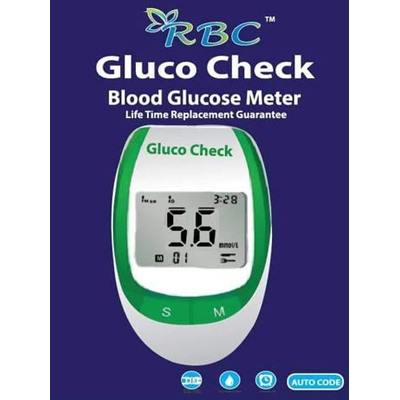







-1-13.jpg)

-1-11.jpg)